Miller Font: A Sweet Monogram Typeface for Handmade Products
If you create handmade products, you know that the right typeface can make or break a design. I have tested countless fonts over the years, and Miller stands out as a sweet monogram decorative font that brings authentic charm to any project. From wedding invitations to product labels, this typeface has become a staple in my crafting toolkit. Let me walk through why Miller deserves a spot in your design collection and how you can use it to elevate your handmade products.
The Visual Personality of Miller
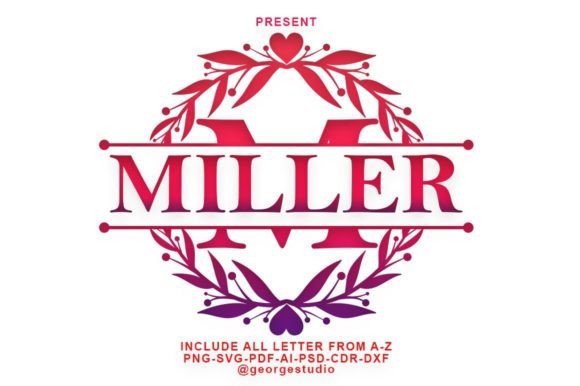
Miller carries an authentic, handcrafted feel that immediately catches the eye. Its decorative nature makes it perfect for projects where you want to add a touch of warmth and personality. The font has a lovely flow that feels both polished and approachable — not too stiff, not too casual. When I first used Miller for a set of wedding welcome signs, the response from customers was immediate. They loved how the lettering felt personal without looking overly fussy.
This typeface falls into the decorative category, which means it shines brightest when used as a display font. The letterforms have a sweet, romantic quality that works beautifully for monogram designs, short phrases, and names. If you appreciate modern typography with a nostalgic twist, Miller delivers that balance effortlessly.
Practical Uses for Handmade Products
One of the reasons I keep returning to Miller is its versatility across different product types. Here are some ways I have used it successfully in my own shop and for client work.
Wedding and Event Stationery
Miller is an obvious choice for wedding invitations, save-the-dates, and ceremony programs. The monogram decorative style lends itself well to couples names, wedding dates, and romantic phrases like forever yours or happily ever after. I recently designed a full suite for a rustic barn wedding using Miller for the main headings paired with a simple sans serif font for the details. The combination felt cohesive and elevated without being overwhelming.
For welcome boards and seating charts, Miller remains readable even at larger sizes. This is important because many display fonts lose their charm when scaled up — Miller does not. The letterforms stay crisp and attractive, which makes it reliable for large-format prints.
Product Labels and Packaging
Small shop owners will appreciate how Miller enhances product packaging. I have used it on candle labels, soap wrappers, and boutique tags. The font adds a handmade feel that resonates with customers looking for artisanal goods. For example, a honey jar label set using Miller for the word Honey paired with a clean serif font for the ingredients list created a premium look that sold well at local markets.
When designing labels, readability at small sizes matters. Miller works best for short words and names rather than long paragraphs. I recommend using it for the product name or brand name and letting a simpler font handle the fine print. This approach keeps your packaging looking professional and intentional.
Paper Goods and Printables
Printable product creators will find Miller incredibly useful for greeting cards, art prints, and planner pages. The font lends itself to phrases like hello, thank you, or celebrate with natural grace. I have sold digital card templates featuring Miller for over a year, and they consistently receive positive feedback about the typography.
For seasonal designs, Miller adapts well. Holiday phrases such as Merry Christmas or Happy Valentine's Day look charming in this typeface. The decorative quality makes each word feel special, which is exactly what you want for seasonal product lines.
Working with Cutting Machines and Small Formats
If you use Cricut or Silhouette machines, you need to consider how a font will behave when cut from vinyl or paper. Miller performs well for most projects, but there are a few practical tips I have learned from experience.
First, because Miller is a decorative monogram font, some letterforms have thin strokes or flourishes. For small stickers or intricate cuts, test a sample first to ensure the fine details hold up. I usually run a quick test cut on scrap material before committing to a full production run. For larger projects like wall decals or signs, Miller cuts beautifully and the details remain intact.
Second, when using Miller for product labels that will be printed rather than cut, check the size in your design software. At sizes below 12 points, the decorative elements can become difficult to read. For small items like lip balm labels or tiny tags, I recommend using Miller only for the brand name and switching to a simpler font for other text. This preserves the charm without sacrificing readability.
Third, if your design includes swashes or alternates, verify how they align with your cutting mat or print-then-cut setup. Some decorative glyphs may need manual adjustment to avoid overlapping or awkward spacing. A little patience during setup saves frustration later.
Font Pairing Ideas for Miller
Pairing Miller with the right companion font elevates your design and creates visual hierarchy. Here are some combinations I have tested and recommend.
Miller with a clean sans serif font. This pairing works well for modern projects where you want the decorative element to stand out while keeping body text easy to read. For example, use Miller for a product name and a sans serif like Montserrat or Lato for descriptions. This combination appears frequently in my wedding stationery and works every time.
Miller with a simple serif font. If you prefer a more traditional look, pair Miller with a classic serif. The contrast between the decorative monogram and a refined serif feels elegant and sophisticated. I have used this pairing for brochure-style product catalogs and high-end gift tags.
Miller with a handwritten font. For a layered, artisanal feel, combine Miller with a casual script or handwritten font. Use Miller for the primary heading and the handwritten font for subheadings or accent words. This approach creates visual interest and works well for farmhouse-style decor or rustic product lines.
Miller with a bold display font. When you need impact, pair Miller with a heavier display typeface. Use the bold font for short, punchy words and Miller for longer phrases or names. This pairing is effective for poster designs or social media graphics where you want to grab attention quickly.
File Formats and Technical Considerations
Before purchasing Miller, check the included file formats. Most decorative fonts come in OTF, TTF, and sometimes WOFF formats. OTF is generally preferred for print and cutting machine projects because it supports advanced typographic features like ligatures and alternates. TTF works well for most applications as well, but I recommend using OTF when possible for the best results.
Miller may include stylistic alternates, ligatures, or swashes that expand your design possibilities. These extras can make your projects feel custom and unique. If the font includes multiple styles — such as regular, bold, or italic — you have more flexibility for creating hierarchy within your designs.
Multilingual support is another factor to consider. If you sell products internationally or work with clients who need accented characters, verify that Miller covers the required character set. Many decorative fonts offer basic multilingual support, but it is worth confirming before you commit to a project.
Commercial Licensing for Sellers
If you plan to use Miller for products you sell — whether physical items like mugs and shirts or digital downloads like templates and printables — you need to understand the commercial licensing terms. Most font foundries require a separate commercial license for selling products that incorporate the font.
For handmade sellers on Etsy or other platforms, a standard commercial license typically covers physical products such as stickers, labels, signs, apparel, and home decor. It may also cover digital products like printable wall art, invitation templates, and SVG designs, but the terms vary by foundry. Always read the license agreement carefully before listing your products.
If you create custom designs for clients, such as wedding invitations or logo concepts, ensure your license allows for client work. Some licenses limit the number of products or impressions, while others offer unlimited use. When in doubt, contact the font creator directly. I have found most designers are helpful and happy to clarify their terms.
Investing in the proper license protects your business and ensures you can continue selling your products without legal concerns. Consider it part of your cost of doing business, just like materials and supplies.
Bringing Miller into Your Brand Identity
Consistency in branding builds customer recognition and trust. If Miller aligns with your brand voice — sweet, authentic, decorative — using it across your product line creates a cohesive identity. I have seen small shops transform their presentation simply by standardizing their font choices, and Miller is strong enough to anchor a brand identity.
Use Miller on your product packaging, thank you cards, social media graphics, and website headers. When customers see the same typeface repeatedly, they associate it with your brand. Over time, that recognition translates into loyalty. Miller has the personality to carry that weight without feeling repetitive.
For logo design, Miller works well as a stand-alone wordmark or as part of a monogram. The decorative quality adds a handmade touch that sets your brand apart from generic, mass-produced looks. Pair it with a simple icon or let the typography speak for itself — either way, Miller brings warmth to your brand identity.
Ultimately, the fonts you choose reflect the care you put into your products. Miller offers authenticity, charm, and practical usability for crafters and sellers who value quality. Whether you are designing wedding invitations, product labels, or seasonal printables, this sweet monogram decorative font delivers the visual appeal your customers will notice and remember.